Selsa: A Joyful Handwritten Font for Small Business
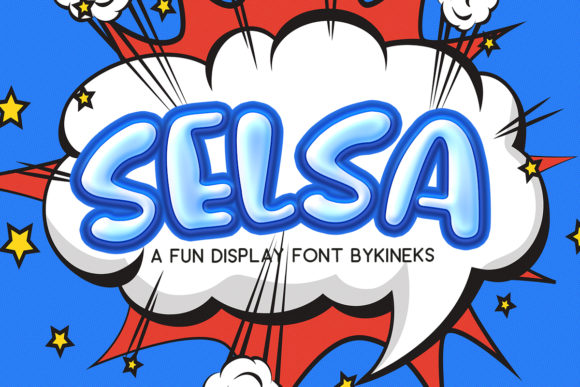
I was staring at a stack of plain white packaging boxes, feeling the familiar weight of a brand identity that just wasn't quite clicking. The product inside was high-quality, but the presentation felt stiff and impersonal. As a creative consultant helping small businesses refine their visual voice, I know that typography is often the missing link between a generic shop and a memorable brand. That afternoon, while searching through my library of Freebies and premium Fonts, I stumbled upon Selsa. It immediately caught my eye not just because it was available, but because its personality screamed "joy." Selsa is a fun, bubbly and joyful handwritten font that promised to inject life into my client's packaging without requiring a full design overhaul.
Using Selsa for Brand Names and Logo Design
The first thing I noticed when testing Selsa was how effortlessly it transformed simple text into a character-driven logo. In the world of branding, your name is the most critical asset you have, and Selsa brings an immediate sense of approachability to brand names. Unlike rigid corporate typefaces, this handwritten font feels like a personal recommendation from a friend. When I applied Selsa to a mockup for a local children's toy boutique, the difference was instant; the business felt less like a corporation and more like a place where imagination thrives. Selsa is a fun, bubbly and joyful handwritten font that works exceptionally well for titles and brand names, making it a top contender for any business wanting to stand out in a crowded market. If you are looking for Fonts that can serve as the centerpiece of your visual identity, this display typeface offers a unique balance of playfulness and legibility that few others achieve.
Why Selsa Works for Children Games and Cartoon Designs
One of the specific use cases mentioned in the description is cartoon-related designs and children games, and my testing confirmed why this font excels there. The rounded edges and organic flow of the letters mimic the natural movement of a child’s handwriting or the whimsical style found in animated stories. For a client launching a new educational app, I used Selsa for the main interface buttons and title screens. The result was an interface that felt inviting rather than intimidating. This creative font bridges the gap between professional design and playful creativity. Whether you are designing assets for a mobile game, creating characters for a storybook, or building a website for a daycare center, Selsa provides the visual cues that signal "fun" to your audience. It is one of those rare Freebies that actually delivers a premium feel suitable for commercial projects involving young audiences.
Applying Selsa to Book Covers and Product Packaging
Beyond digital screens, the true test of a font is how it translates to physical products. I decided to print Selsa on several different materials, including matte cardstock for book covers and glossy labels for candle jars. The ink held up beautifully, and the thick strokes of the handwritten font remained crisp even at smaller sizes. For a self-published author writing a cozy mystery series, I used Selsa for the chapter headings and the tagline on the cover. It added a touch of warmth that made the book feel like a cherished object rather than a mass-produced item. Similarly, for a skincare line focusing on natural ingredients, the bubbly nature of Selsa conveyed a sense of gentle care and joy. Selsa is a fun, bubbly and joyful handwritten font that elevates packaging design by adding a human touch that customers can almost feel. When you are choosing Fonts for physical goods, readability and texture are key, and this typeface manages to be both decorative and functional.
Creating Impactful Posters and Event Flyers with Selsa
Marketing materials need to grab attention within seconds, which is exactly what Selsa does on posters and flyers. I designed a promotional poster for a community art fair using Selsa for the main headline, pairing it with a clean sans-serif body text. The contrast created a dynamic visual hierarchy that drew the eye immediately to the event details. The joyful energy of the font communicated the vibe of the event before anyone even read the fine print. This makes Selsa an excellent choice for editorial design tasks like festival guides, workshop invitations, or seasonal sale announcements. Because it mimics hand-lettering, it saves hours of manual illustration time while still delivering that custom, artisan look. If you are a small business owner trying to promote a launch party or a special offer, using a commercial font like this ensures your marketing materials look polished and professionally curated.
Pairing Selsa with Other Typography Styles
A common mistake I see in small business branding is overusing a single font style, which can make a design feel cluttered. To get the most out of Selsa, I recommend treating it as a display font meant for headlines, short phrases, and accents. For the body copy, I paired Selsa with a neutral, modern sans-serif font to ensure readability on long paragraphs. This combination allows the handwritten font to shine as the star of the show without overwhelming the viewer. You could also try pairing it with an elegant serif font for a more sophisticated, yet still friendly, aesthetic. The versatility of Selsa means it fits into various brand identity strategies, from the hyper-casual to the chic and modern. When selecting Fonts for your toolkit, always consider how they interact with other typefaces, and Selsa proves to be a very cooperative partner in creating balanced layouts.
Practical Tips for Readability and Licensing
While Selsa is undeniably charming, it is important to use it strategically. For very small text, such as ingredient lists or legal disclaimers on tiny labels, a simpler font is often safer for accessibility. However, for Instagram templates, social media graphics, and online shop banners, Selsa is perfect. Its distinct shape stands out even on mobile screens, ensuring your message isn't lost in the scroll. Before integrating Selsa into your final deliverables, always check the included file formats and licensing terms. Since it is often categorized under Freebies, verify if the license covers commercial use for merchandise, packaging, or client work. Understanding the scope of your commercial font license protects your business and ensures you can scale your designs without legal hurdles. By respecting these technical details, you can confidently use Selsa to build a consistent, trustworthy, and visually appealing brand that resonates with your customers.