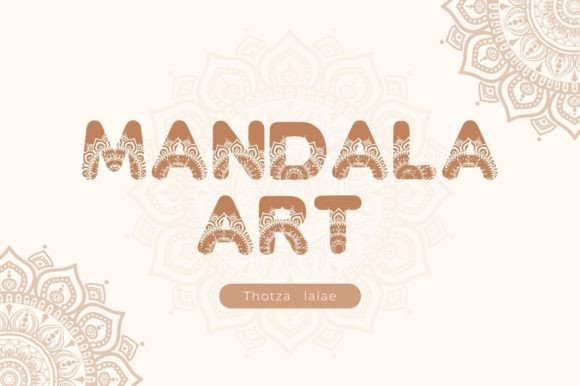
Mandala Art: A Decorative Font for Digital Design
As a web designer constantly seeking unique assets to elevate user interfaces, discovering Mandala Art among the latest collection of free Fonts offers an exciting opportunity to infuse spiritual elegance into digital layouts. Mandala Art is a lovely decorative font, influenced by mandalas, which means it naturally exudes good fortune and can be used to create attractive printing on lucky cards during different holidays, but its potential extends far beyond physical print into the realm of responsive web design. When integrating this typeface into landing pages or brand-focused web experiences, the intricate details of the glyphs create an immediate visual hook that captures user attention without overwhelming the screen.
Mandala Art for Holiday Landing Pages and Seasonal Campaigns
When designing seasonal campaigns, Mandala Art serves as a powerful tool within your library of Freebies and Fonts to instantly communicate celebration and warmth. Because Mandala Art is a lovely decorative font, influenced by mandalas, it carries an inherent sense of harmony that translates beautifully into hero sections for holiday sales or New Year promotions. As a result, this font exudes good fortune and can be used to create attractive printing on lucky cards during different holidays, making it equally effective for digital banners that wish customers well during festive periods. In a conversion-focused layout, using this display font for the main headline allows you to set a joyful tone before the user even scrolls down to read the body copy.
The visual complexity of the characters works exceptionally well when paired with ample white space, ensuring that the decorative elements do not clutter the mobile view. For instance, on a boutique online store's homepage during a winter sale, placing "Happy Holidays" in Mandala Art against a clean background creates a focal point that feels both premium and inviting. This approach helps establish a consistent online identity where the typography itself acts as a subtle brand ambassador, signaling care and creativity to the visitor.
Elevating Brand Identity with Mandala Art Typography
Building a strong brand identity often requires a typeface that tells a story, and Mandala Art provides a narrative of balance and positivity for wellness brands, coaching sites, and creative portfolios. While many designers rely on standard sans serif fonts for headers, incorporating Mandala Art adds a layer of personality that distinguishes a digital product from competitors. Since Mandala Art is a lovely decorative font, influenced by mandalas, it brings a specific cultural and artistic weight to the screen that generic typefaces simply cannot achieve. As a result, this font exudes good fortune and can be used to create attractive printing on lucky cards during different holidays, suggesting that your brand values tradition, luck, and aesthetic beauty.
In practice, I recommend using Mandala Art sparingly to maintain readability while maximizing impact. It is ideal for logo text, section headings, or short phrases like "Welcome," "Discover," or "Manifest." By limiting its use to these high-impact areas, you ensure that the intricate details remain legible on high-resolution displays and Retina screens. This strategic application supports visual hierarchy, guiding the user's eye through the content flow while reinforcing the brand's unique voice. Whether you are launching a meditation app or a lifestyle blog, this font anchors the design in a sense of calm and intentionality.
Optimizing Visual Hierarchy and Readability with Mandala Art
Effective web design relies on clear visual hierarchy, and Mandala Art can play a crucial role when balanced correctly with more utilitarian Fonts in your project stack. Although Mandala Art is a lovely decorative font, influenced by mandalas, its ornate nature means it should generally be reserved for titles rather than long-form body text. As a result, this font exudes good fortune and can be used to create attractive printing on lucky cards during different holidays, but on a website, its primary function is to break up monotony and signal important transitions between content sections. Pairing it with a simple, geometric sans serif font for paragraphs ensures that the page remains scannable and accessible to all users.
For digital readability, consider the size and line height carefully. On mobile devices, the small details of the mandala-inspired glyphs might blur if the font size is too small. Therefore, always test the rendering on various screen sizes to ensure the decorative flourishes do not interfere with comprehension. Using bold weights for key headlines and lighter weights for subheadings can also help differentiate levels of importance. This combination creates a rhythm that keeps users engaged, encouraging them to explore deeper into your site's content while appreciating the aesthetic quality of the design.
Using Mandala Art for Creative Portfolios and Digital Products
Creative entrepreneurs and UI designers looking to showcase their work will find that Mandala Art adds a sophisticated touch to portfolio sites and digital product showcases. Among the best Freebies available, this typeface stands out because Mandala Art is a lovely decorative font, influenced by mandalas, offering a distinct alternative to the overused script styles. As a result, this font exudes good fortune and can be used to create attractive printing on lucky cards during different holidays, implying that your creative work brings positive energy and value to clients. It is particularly effective for course sales pages, workshop announcements, or e-book covers where the goal is to inspire trust and excitement.
When designing a portfolio, use Mandala Art to highlight project names or client testimonials. The unique character shapes draw the eye and make the content feel curated and thoughtful. For example, a graphic designer selling templates could use this font for the "Download Now" button text or the header of a pricing table, creating a moment of delight that encourages conversion. The font's ability to blend traditional art forms with modern digital applications makes it versatile for a wide range of creative industries, from interior design blogs to spiritual wellness platforms.
Strategic Font Pairing and Commercial Licensing for Mandala Art
To maximize the effectiveness of Mandala Art, understanding proper font pairing and licensing is essential for any professional web designer utilizing Freebies and Fonts. While Mandala Art is a lovely decorative font, influenced by mandalas, it shines brightest when contrasted with neutral typefaces that allow its details to breathe. As a result, this font exudes good fortune and can be used to create attractive printing on lucky cards during different holidays, but in a commercial web context, you must ensure your license permits usage across websites, apps, and marketing materials. Always verify the included file formats, such as WOFF2 for optimal web performance, and check for multilingual support if your audience is global.
Pairing Mandala Art with a clean sans serif font like Roboto or Open Sans creates a harmonious balance between decoration and utility. This combination ensures that your site looks professional while still retaining a unique character. Additionally, remember that while the font may be offered as a freebie for personal use, commercial projects often require a separate license. Investing in the correct licensing protects your business and ensures that your digital assets remain compliant with copyright laws. By thoughtfully integrating Mandala Art into your design system, you create a cohesive and memorable user experience that resonates with visitors and strengthens your brand's digital presence.